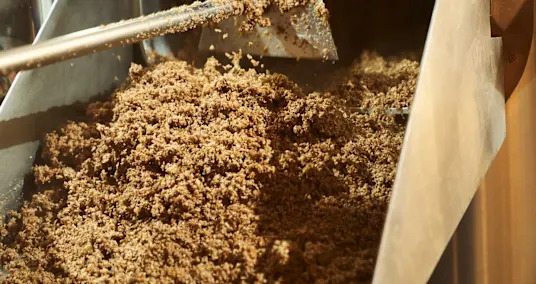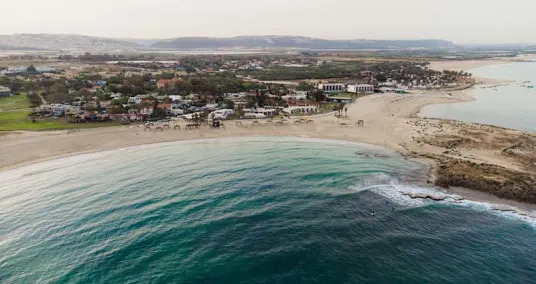
The discovery was made in an ancient shipwreck in the Dor Lagoon near the Carmel Coast, where archaeologists recovered nine pieces of unprocessed iron known as “blooms.”
Researchers from the University of Haifa said Wednesday that an underwater excavation off Israel’s northern Mediterranean coast uncovered what they described as the earliest known cargo of raw iron transported by ship, dating back around 2,600 years, Xinhua reported.
The discovery was made in an ancient shipwreck in the Dor Lagoon near the Carmel Coast, where archaeologists recovered nine pieces of unprocessed iron known as “blooms.” According to the university, the find provides direct evidence of how iron was transported in its earliest commercial stages.
The material was preserved in its original form, having solidified directly in a smelting furnace without undergoing forging or further refinement. Researchers said this distinguishes the cargo from later iron artifacts that typically show signs of shaping or tool-making.
Unlike copper and bronze, which could be melted into liquid form in ancient production processes, iron was heated with charcoal to produce a solid, porous mass. That mass was generally hammered to remove impurities and create denser material suitable for tools and implements.
The recovered blooms showed no indication of that secondary processing stage, suggesting they were transported immediately after production.

Earliest iron shipment discovered in ancient Mediterranean wreck
To determine the age and condition of the cargo, researchers conducted microscopic and chemical analyses.
Radiocarbon dating was also carried out on charred wood embedded in one of the pieces, helping confirm the timeline of the shipment. The findings were published in the journal Heritage Science.
Researchers said the cargo indicates that iron was being moved in raw form from production sites to other locations for further processing, pointing to a level of specialization in ancient manufacturing and trade networks in the Mediterranean.
The University of Haifa said the discovery provides new insight into early iron production and distribution practices in the region.
latest_posts
- 1
 IDF strikes Shiraz petrochemical site, releases footage of attacks on Iranian air defenses
 - 2The Main 15 Powerful Business Heads of Today
- 3The Significance of Prenuptial Arrangements in Separation Procedures
- 4'The Drama' plot twist, explained: What did Zendaya's character do, and what happens to her wedding?
- 5'Hero' who wrestled gun from Bondi shooter named as Ahmed al Ahmed





- A company is trying to unlock a key to aging, in a long-overlooked body part
- Figure out How to Use Your Nursing Abilities for Better Compensation
- Italy's Beloved Trevi Fountain Hides A Unique Secret That Can Be Explored Underground
- In the background: Visiting Notable Film Areas All over the Planet
- China and Pakistan issue five-point peace plan for Middle East
- EU-funded BioSupPack project turns brewery waste into bioplastics
- Changes to CDC website spark debate over autism and vaccine misinformation
- The Century Coupe Could Be Toyota’s Most Ambitious Car Since the LFA
- Russia downs 16 drones heading for Moscow, mayor says