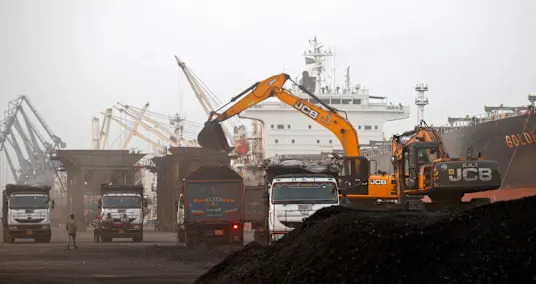
India’s much-delayed 2035 climate plan underestimates the country’s clean energy potential and allows for an acceleration of emissions growth, according to analysts. The plan aims to reduce the emissions intensity of its GDP by 47% from 2005 levels and increase the share of its electricity capacity from nonfossil sources to 60% by 2035.
The reduced carbon intensity target would, however, still allow India’s carbon emissions to increase by 70% over the next decade if GDP grows at a target rate of 7% per year, Lauri Myllyvirta of the Centre for Research on Energy and Clean Air told Semafor. That would translate to emissions growth of 5.5% per year, above the average rate of 3.5% over the past decade.
India is also on track to achieve its clean power capacity target well ahead of time: Its Central Electricity Authority projects that nearly 70% of power capacity will come from nonfossil sources by 2035-36.
“India’s booming clean energy industry is highly likely to deliver much faster progress than policymakers were prepared to commit to,” Myllyvirta said. Disruptions to oil and gas flows caused by the Iran war and the competitiveness of clean energy could strengthen the case for accelerating renewable deployment.




 International issues on the agenda as Frances's Macron visits China
- As infant botulism cases climb to 31, recalled ByHeart baby formula is still on some store shelves
- From Novice to Master: Dominating a Side interest
- Four Dead in Last Month From Animal Attacks in Nepal
- 'We were genuinely astonished': This moss survived 9 months outside the International Space Station and could still grow on Earth
- Volkswagen Just Built a Plug-In Tiguan for China That America Doesn’t Get
- IDF kills four terrorists equipped with weapons, surveillance gear near Gaza's Yellow Line
- 'Stranger Things' series finale trailer shows Hawkins gang gearing up for last battle with Vecna
- Jamie Dimon warns Iran war could drive inflation, interest rates higher